
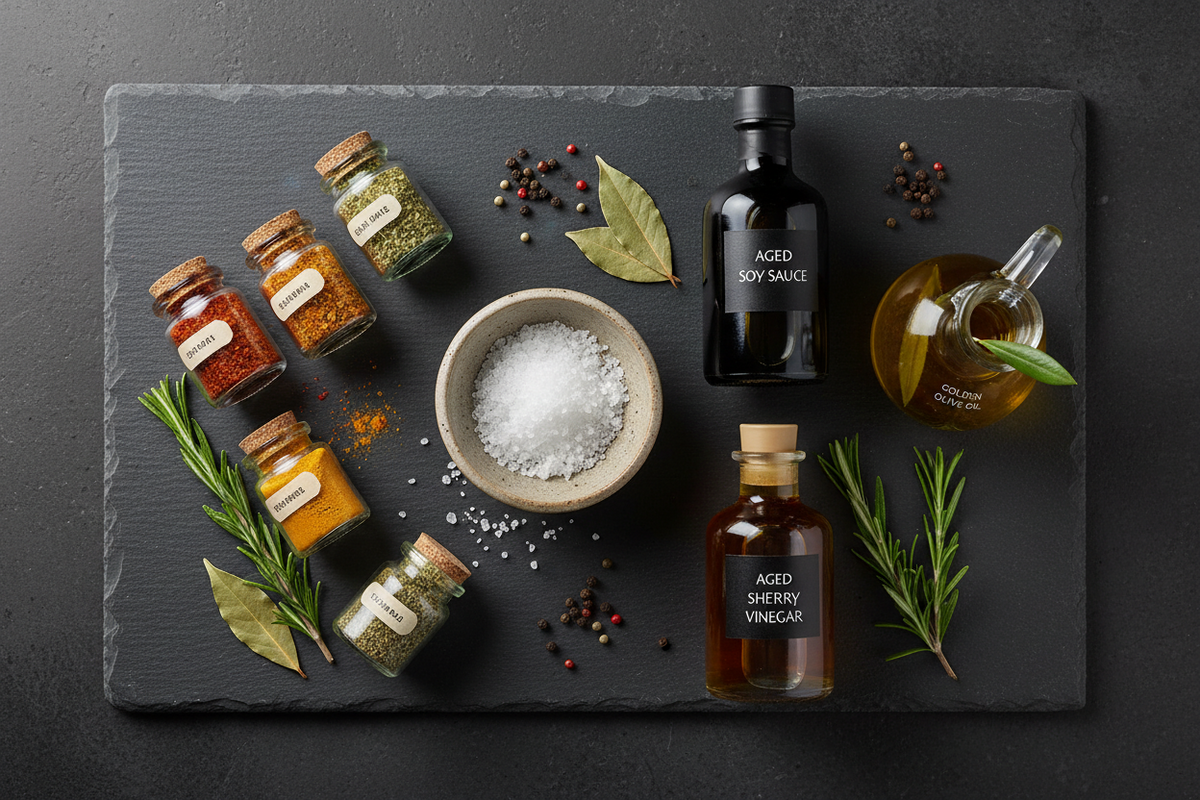
Why Proper Storage Matters for Bulk Pantry Staples
Buying pantry staples in bulk is one of the smartest moves a home cook or food-service operator can make — lower cost per unit, fewer reorders, and always having what you need on hand. But bulk buying only pays off when your ingredients stay fresh. Poor storage leads to spoilage, off-flavors, and wasted money.
Here's a practical guide to storing the most common bulk pantry staples so they last as long as possible.
Dry Goods: Grains, Flours, and Legumes
Dry goods are the backbone of any well-stocked pantry. The enemies are moisture, heat, light, and pests.
- Airtight containers are non-negotiable. Transfer bulk grains, flours, and legumes from their original bags into food-grade airtight containers — glass jars, BPA-free plastic bins, or stainless steel canisters all work well.
- Cool and dark is best. Store containers in a pantry or cabinet away from the stove, oven, or any heat source. Ideal temperature is below 70°F (21°C).
- Label everything. Include the purchase date and best-by date. Whole grains (like brown rice or whole wheat flour) have shorter shelf lives than refined grains because of their natural oils.
- Shelf life at a glance: White rice and dried beans: 1–2 years. Whole wheat flour: 3–6 months at room temperature, up to 1 year frozen. All-purpose flour: 1 year. Rolled oats: 1–2 years.
Salts and Spices
Salt itself doesn't expire, but flavored salts and spices lose potency over time.
- Store in airtight containers away from steam (not directly next to the stove).
- Whole spices last 3–4 years; ground spices are best within 1–2 years.
- Specialty salts — like fleur de sel or smoked salts — should be kept dry to prevent clumping.
Sauces, Condiments, and Oils
- Unopened bottles: Store in a cool, dark pantry. Most shelf-stable sauces last 1–3 years unopened.
- After opening: Refrigerate most sauces and condiments. Oils are the exception — keep them in a dark cabinet and use within 3–6 months of opening to avoid rancidity.
- Bulk oils: If you buy oils in large quantities, decant into smaller bottles for daily use and keep the bulk container sealed and cool.
Frozen Items
Freezing is one of the best tools for extending the life of bulk purchases.
- Portion and freeze items like bulk proteins, bread, or prepared sauces in meal-sized amounts so you're not thawing more than you need.
- Use freezer-safe, airtight bags or containers and remove as much air as possible to prevent freezer burn.
- Label with the freeze date. Most frozen foods maintain best quality for 3–6 months, though they remain safe longer.
Quick Reference: Pantry Storage Tips
- ✅ Airtight containers for all dry goods
- ✅ Cool, dark, and dry storage location
- ✅ Label with purchase and best-by dates
- ✅ Refrigerate opened sauces and condiments
- ✅ Portion bulk items before freezing
- ❌ Avoid storing near heat sources or in direct sunlight
- ❌ Don't leave bulk bags open — they attract moisture and pests
Stock Up the Smart Way
The best pantry is one that's well-organized and properly stored. Browse our selection of premium bulk pantry staples — from specialty salts and dry goods to sauces and frozen items — and stock your kitchen or commercial operation with confidence.